

Unveiling the Hidden Truths of Healthy Eating for Informed Choices

In today’s world, where diet trends pop up daily and health myths swirl around, understanding what it means to eat healthily is more critical than ever. This post will cut through the noise, arming you with practical strategies that can reshape your eating habits for the better.
Understanding Nutritional Basics
To embark on healthier eating habits, knowing the fundamentals of nutrition is vital. Our bodies need a mix of macronutrients—carbohydrates, proteins, and fats—along with essential vitamins and minerals.
Carbohydrates are the primary source of energy for our bodies. For example, whole grains like brown rice and quinoa offer sustained energy. Proteins are crucial for repair and growth; think about incorporating chicken, tofu, or legumes into your meals. Healthy fats, such as those in avocados and olive oil, support brain function and hormonal balance. Although smaller in quantity, micronutrients like vitamin D and iron are equally important. In fact, deficiencies in these can lead to significant health issues, including weakened immunity and anemia.
By grasping these basic dietary components, you can begin making choices that promote your health.

The Importance of Whole Foods
Focusing on whole foods is one of the biggest secrets to healthy eating. Whole foods are those that are minimally processed and free of artificial substances. Examples include:
Fruits and Vegetables: Apples, carrots, and leafy greens
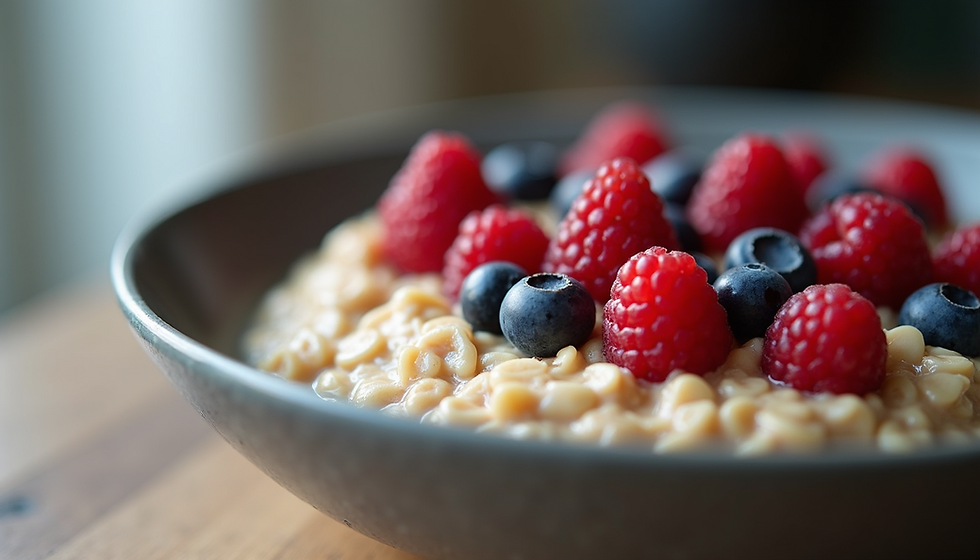
Whole Grains: Oats, brown rice, and whole wheat bread
Lean Proteins: Fish, chicken breast, and beans
Healthy Fats: Nuts, seeds, and avocados
Research shows that eating a whole food diet can result in a 25% lower risk of chronic diseases. Foods that are close to their natural state not only enhance your nutritional intake but also promote sustainability.
When grocery shopping, aim to fill your cart with these items to boost your health.

Mindful Eating Practices
Healthy eating involves not just the types of food you choose but how you consume them. Mindful eating encourages you to focus on your food. This means being present during meals, savoring each bite, and recognizing when you are hungry or full.
Studies indicate that mindful eaters tend to consume 10-20% fewer calories. To begin, try to make meal times free from distractions like screens. Focus on the food itself—its tastes, textures, and smells—and take your time to chew each bite thoroughly.
This practice can lead to a healthier relationship with food and help you enjoy your meals more.
The Role of Portion Control
Understanding portion sizes is another essential part of healthy eating. With larger servings becoming the norm, it’s easy to lose track of how much food we're actually consuming. Here are two simple tips to manage portions:
Use Smaller Plates: Opt for smaller dishes to create the illusion of a full plate.
Know Serving Sizes: For instance, aim for a serving of protein about the size of your palm and carbohydrates similar to the size of your fist.
Portion control allows you to enjoy a variety of foods while keeping your diet balanced.
Hydration and Its Impact on Health
Staying hydrated is crucial for overall health, yet it is often overlooked. Water is essential for functions like digestion and nutrient absorption. Many individuals mistakenly interpret thirst as hunger, leading to unnecessary snacking.
To combat this, aim for at least eight 8-ounce glasses of water each day, adjusting based on your activity level and climate. Foods like cucumbers, oranges, and strawberries can also contribute significantly to your water intake.
Staying properly hydrated not only supports your physical health but enhances mental clarity and energy.
The Power of Meal Planning
One of the most effective strategies to make healthy eating easier is meal planning. By planning your meals ahead of time, you can ensure you always have nutritious options available, making it less likely that you’ll resort to fast food.
Start by choosing one day each week to map out your meals, considering your schedule. Pick simple, healthy recipes to streamline preparation. Create a shopping list based on this plan, which can save you time and effort.
Meal prepping, like preparing larger batches and portioning them out, can also help maintain your healthy eating journey while cutting down on food waste.
Final Thoughts
In summary, the journey to healthy eating revolves around understanding nutritional basics, focusing on whole foods, practicing mindful eating, controlling portions, staying properly hydrated, and planning your meals. By weaving these strategies into your daily life, you can make smarter choices that enhance your well-being.
Remember, changing how you eat is a gradual process. It's about finding what works for you and enjoying the journey towards a healthier lifestyle.


Comments