

The Hidden Connection Between Your Diet and Daily Energy Levels

Maintaining optimal energy levels throughout the day is essential for productivity, focus, and overall well-being. While numerous factors influence how we feel day-to-day, one of the most significant is often overlooked: our diet. This post explores how your food choices affect your energy levels and provides practical tips to boost your vitality.
Understanding the Basics of Energy
Energy is a key part of our lives. Our bodies convert food into adenosine triphosphate (ATP), which fuels everything from muscle movements to brain functions. The type and quality of food you eat affect how efficiently this process happens, ultimately determining your energy levels.
Eating the right balance of macronutrients—carbohydrates, proteins, and fats—alongside essential micronutrients is vital for maintaining energy throughout the day. For instance, complex carbohydrates, which are found in foods like whole grains, fruits, and vegetables, provide a steady and reliable source of energy.
The Role of Carbohydrates
Carbohydrates are essential for energy production. When consumed, they break down into glucose, which your body uses for immediate fuel.
Opt for complex carbohydrates such as:
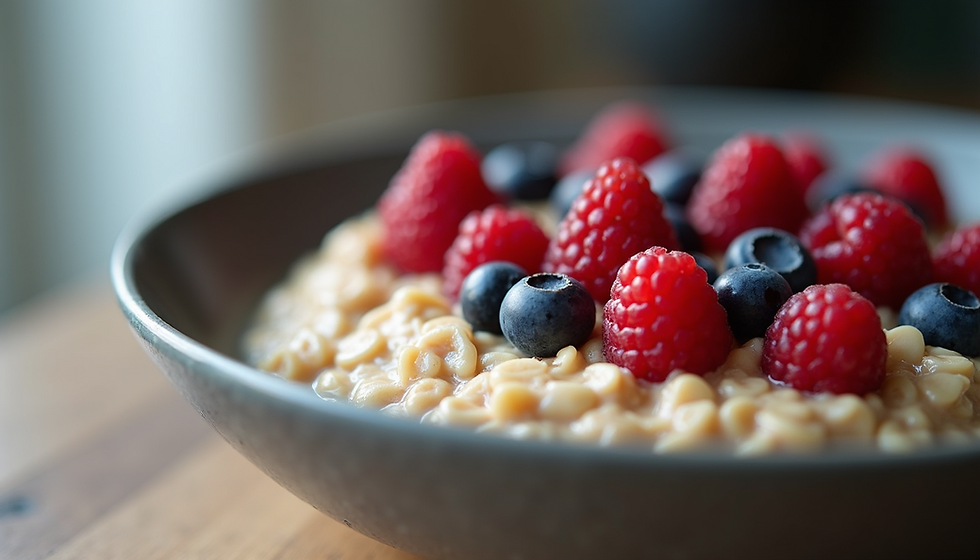
Oats: Providing about 27 grams of carbs per serving, they release energy slowly and keep you full.
Sweet Potatoes: With a rich fiber content, their 20 grams of carbs per medium potato help maintain stable blood sugar levels.
These foods help you to avoid those frustrating energy crashes associated with quick fixes like sugary snacks. Studies have shown that people who consume more fiber report better energy levels and fewer cravings.
The Impact of Protein
Protein is needed for repairing and building muscles, but it also supports energy production. When your carbohydrate reserves are low, your body can convert protein into glucose in a process called gluconeogenesis.
Make sure to include lean proteins in your meals. For example:
Chicken Breast: About 26 grams of protein in a 3-ounce serving can keep you satisfied and energetic.
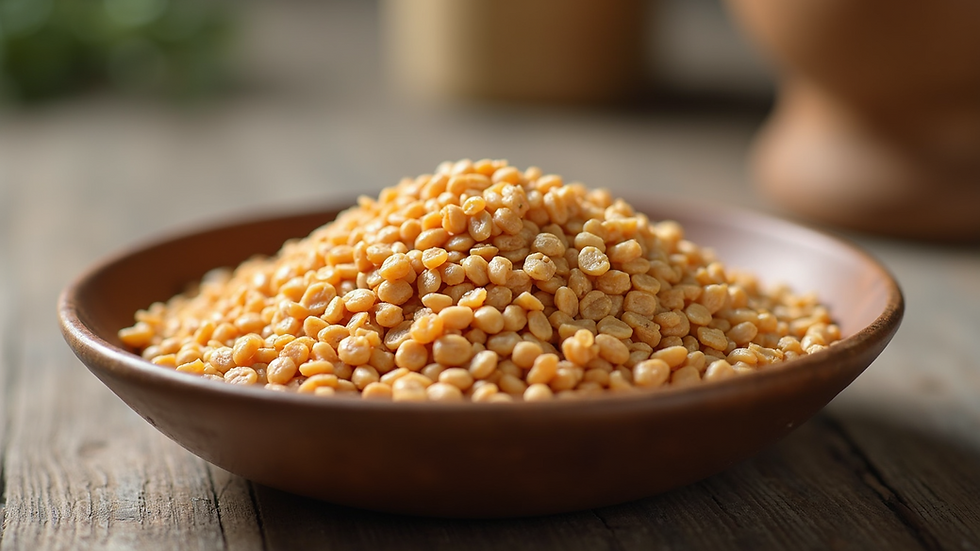
Lentils: Providing 18 grams of protein per cooked cup, they also deliver fiber, which adds to their energy-boosting qualities.
This helps maintain energy and keeps you feeling full, reducing the urge to reach for high-calorie snacks that sap your energy.
The Power of Healthy Fats
Healthy fats play a vital role in providing sustained energy. Though they are calorie-dense, they offer lasting fuel that can keep you energized throughout your day. Consider incorporating sources of healthy fats like:
Avocados: Just one avocado has around 22 grams of fat, essential for joint and brain health.
Almonds: A handful (about 23 almonds) contains 14 grams of healthy fats and offers other nutrients that support energy metabolism.
Fats not only provide energy but also help your body absorb fat-soluble vitamins (A, D, E, K), which are essential for energy production and immune function.

The Role of Micronutrients
Vitamins and minerals, known as micronutrients, are essential for energy metabolism. For example, iron is crucial for carrying oxygen in your blood, and without enough iron, you may feel fatigued.
It's recommended that adults consume around 8 mg of iron daily if they are men or 18 mg for women. Good sources include:
Spinach: A cooked cup contains about 6 mg of iron.
Red Meat: Provides approximately 2.7 mg of iron per 3-ounce serving.
B vitamins are equally important as they help convert food into energy. Include foods like leafy greens, eggs, and whole grains in your meals to ensure your diet is rich in these vital nutrients.
Hydration and Energy
Hydration is just as important as food for maintaining energy levels. Even mild dehydration can lead to fatigue and decreased focus. Water is necessary for various metabolic processes, including energy generation.
Aim to drink at least 8 cups of water daily. Foods like cucumbers and watermelon can also help keep you hydrated.
Timing Your Meals
Meal timing can greatly affect your energy levels. Instead of eating two or three large meals, consider having smaller, balanced meals throughout the day. This approach stabilizes blood sugar levels and prevents energy dips.
Try to snack every few hours, incorporating a mix of carbohydrates, proteins, and healthy fats. This will not only nourish your body but also help keep energy levels steady, optimizing your performance throughout the day.
Foods to Avoid
Certain foods can drain your energy instead of boosting it. Sugary snacks and sugary drinks may give you a quick energy spike, but they often lead to a rapid drop in energy. Additionally, processed foods high in refined sugars and unhealthy fats can negatively affect how you feel.
Instead, focus on whole foods. If you’re feeling sluggish, pay attention to your food choices—they may need some adjustments.
Making the Right Choices
Your diet has a powerful influence on your daily energy levels. By understanding how different foods affect energy production, you can make informed dietary choices that enhance your vitality. Emphasizing a balanced diet rich in complex carbohydrates, healthy fats, proteins, and adequate hydration is key for feeling energized.
The choices you make in the kitchen extend beyond mealtime—they shape how vibrant and alive you feel each day. Take charge of your diet, and you will elevate your energy levels and improve your productivity for a more fulfilling life.
Start today—embrace a diet that energizes you!


Comments