

Unveiling Effective Strategies for Stress Reduction and Enhanced Relaxation Techniques

Updated: Aug 2, 2025
In today's fast-paced world, stress is an all-too-common companion for many people. Work commitments, personal relationships, and the constant influx of information contribute to mounting pressures. Finding effective ways to reduce stress and enhance relaxation is crucial. This not only promotes good mental health but also positively impacts your physical well-being. In this post, we will explore practical strategies to help you manage stress effectively and find a greater sense of calm.
Understanding Stress
Stress is the body’s natural response to perceived threats or challenges. When we encounter stressful situations, our body triggers the fight-or-flight response, releasing hormones like cortisol and adrenaline. While this response can be beneficial in short bursts, chronic stress can lead to serious health issues such as anxiety, depression, and physical ailments.
Identifying your own stress triggers is crucial for effective management. For instance, do you feel particularly stressed on Monday mornings due to work expectations? Keeping a stress diary can help. Note situations that evoke stress and your reactions to them. With this information, you can take proactive steps to mitigate your stressors.
Mindfulness and Meditation
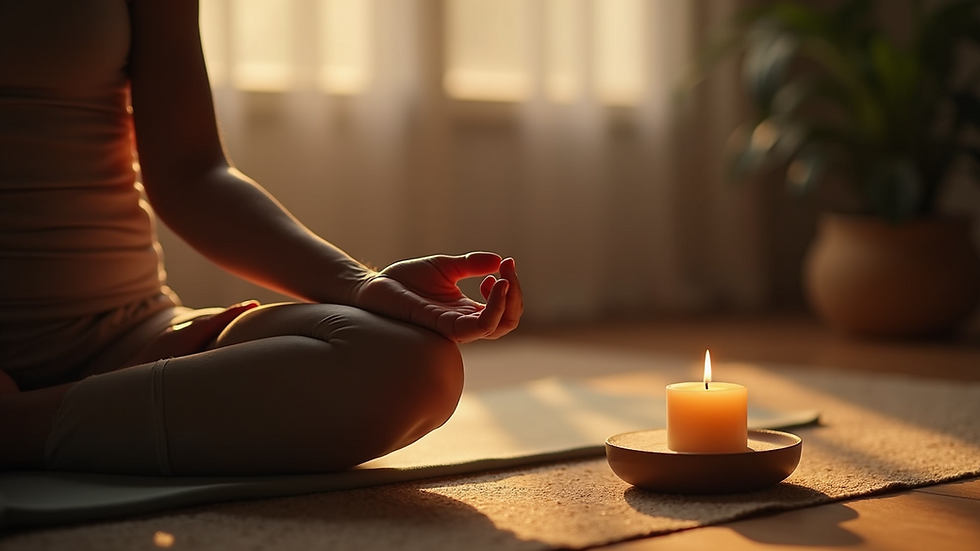
Mindfulness meditation is one of the most effective techniques for reducing stress. This practice trains you to focus on the present moment, moving away from worries about the past or future. Mindfulness encourages acceptance and awareness.
To start, find a quiet space and sit comfortably. Close your eyes and take deep breaths. If your mind wanders, gently bring your focus back to your breath. Just a few minutes of mindfulness each day can lead to significant reductions in stress. Research shows that individuals who practice mindfulness regularly can experience a decrease in stress levels by up to 30%.
Physical Activity
Engaging in regular physical activity is another powerful method for combating stress. Exercise releases endorphins, which are natural mood lifters. Activities like brisk walking, dancing, or gym workouts can lift your spirits.
Aim for at least 30 minutes of moderate exercise most days of the week. A study found that individuals who exercise regularly experience a 20% to 50% reduction in stress levels. Additionally, physical activity serves as a distraction, breaking the cycle of negative thoughts that often accompany stress.
Breathing Techniques
Incorporating breathing techniques into your day can promote relaxation. Simple exercises help counter anxiety and foster calm.
One method is the 4-7-8 technique: inhale deeply through your nose for a count of 4, hold for a count of 7, and exhale slowly through your mouth for a count of 8. Practicing this several times a day can effectively lower stress levels, and studies indicate it can lead to a 50% improvement in anxiety-related symptoms.

Healthy Eating
Nutrition plays a crucial role in stress management. A balanced diet can help improve mental health while stressful situations may tempt you to indulge in unhealthy eating habits.
Focus on meals rich in fruits, vegetables, lean proteins, and whole grains. For example, eating a daily serving of leafy greens may boost mood and reduce anxiety. Staying hydrated and minimizing sugar and caffeine can also enhance your mood and lower stress. Planning meals ahead is a practical way to ensure you make healthier choices and resist unhealthy snacks.
Building Social Connections
Strong social ties are vital for reducing stress. Connecting with friends and family can provide emotional relief and support.
Make it a point to regularly call or meet loved ones. Opening up about your feelings can lighten your emotional load. You may also consider joining community groups or new hobbies that allow you to meet new people. A solid support network can significantly buffer against stress, improving both your emotional health and resilience.
Creating a Personal Relaxation Space
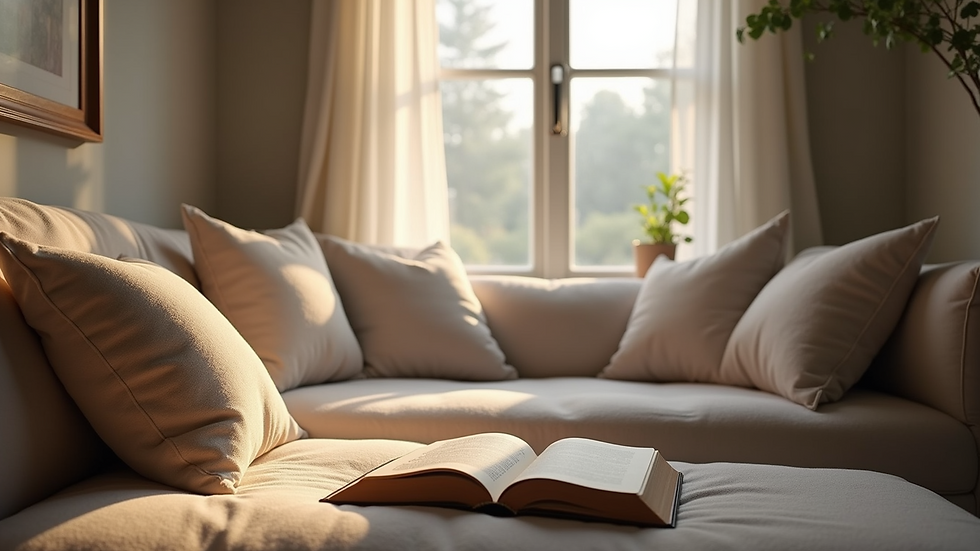
Designating a personal relaxation space at home is an effective tool for stress management. This area should feel like your sanctuary, filled with items that provide comfort.
Include elements like soft pillows, calming scents, and serene colors. Spend time in this space regularly to unwind, read, or pursue hobbies. This dedicated area allows your mind to escape daily hassles, creating a peaceful environment that fosters relaxation.
Prioritizing Sleep Hygiene
Never underestimate the power of a good night’s sleep in managing stress. Poor sleep habits can amplify anxiety and hinder your ability to cope with daily pressures.
Establish a sleep routine with consistent sleep and wake times. Create a soothing bedtime ritual, such as reading or taking a warm bath. Avoid screens before bed to enhance sleep quality. Studies show that those who follow a bedtime routine report a 20% increase in sleep quality and improved overall well-being.
Final Thoughts
Reducing stress and enhancing relaxation is an ongoing journey that requires dedication and practice. By integrating these strategies into your daily life, you can cultivate a calmer mindset and improve your overall health. Whether through practicing mindfulness, engaging in regular exercise, or nurturing relationships, the tools for effective stress management are within your grasp. Take your first step today, investing in your mental and physical health for a more balanced life.
Embrace these techniques and stay aware of your stressors. You are well on your way to a life filled with greater peace and relaxation. Remember, it is not just about managing stress; it is about fostering a lifestyle that encourages tranquility and joy.
Comments