

Unlocking Nature's Pharmacy: Essential Herbs for Effective Pain Management

Updated: Aug 2, 2025
In our constant search for relief from pain, many lean towards over-the-counter medications or prescription drugs. However, nature has given us a rich collection of herbs that possess powerful pain-relieving properties. This post will explore essential herbs for pain management, highlighting their natural benefits and how they can complement or even replace conventional pain relief methods.
The Herbal Advantage
Herbs have been integral to traditional medicine for centuries, known for their ability to alleviate pain and other ailments. Unlike synthetic medications, herbal remedies often have fewer side effects and promote a holistic approach to healing. For example, studies show that nearly 30% of patients using herbal remedies report improved outcomes with fewer side effects compared to traditional medications.
Understanding the unique benefits of each herb can help you incorporate them into your daily routine for enhanced wellness.
Ginger: A Powerful Anti-Inflammatory
Ginger is a staple in many households and is renowned for its potent anti-inflammatory properties. It is often used to treat conditions like arthritis, menstrual cramps, and muscle soreness. The active compounds in ginger, especially gingerol, have been shown to reduce inflammation effectively. A study found that patients with osteoarthritis experienced a 40% reduction in pain after taking ginger supplements for 12 weeks.
How to Use Ginger
Tea: Brew fresh ginger slices in hot water for a soothing beverage.
Supplements: Take ginger capsules for convenient use.
Cooking: Add ginger to your meals, such as stir-fries, soups, or baked goods.
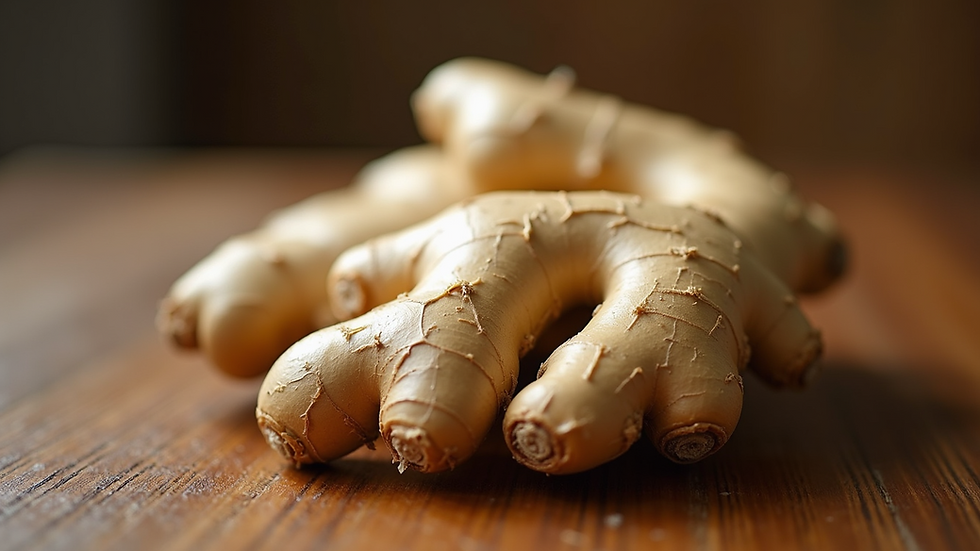
In addition to pain relief, ginger aids in digestion and supports the immune system, making it a versatile addition to your health routine.
Turmeric: The Golden Spice
Turmeric, often called the "golden spice," contains curcumin, a compound recognized for its anti-inflammatory and antioxidant benefits. Research indicates that curcumin can be as effective as some anti-inflammatory medications, with studies showing a 60% reduction in pain for those with chronic conditions like arthritis after regular turmeric intake.
How to Use Turmeric
Golden Milk: Mix turmeric with warm milk (dairy or plant-based) and a pinch of black pepper to improve absorption.
Powder: Sprinkle turmeric powder on dishes like curries, soups, or smoothies.
Capsules: Use turmeric supplements for targeted relief.

Integrating turmeric into your daily diet may enhance not only pain management but also overall health.
Willow Bark: Nature’s Aspirin
Willow bark has served as a natural pain relief remedy for centuries, particularly for headaches and lower back pain. Its active ingredient, salicin, is similar to the key component found in aspirin. A study revealed that 80% of participants experienced significant pain relief within an hour of consuming willow bark.
How to Use Willow Bark
Tea: Brew willow bark in hot water for a calming drink.
Tinctures: Opt for liquid forms for faster absorption.
Capsules: A convenient alternative for those preferring targeted relief.

Willow bark can be a valuable tool in your pain management strategy, particularly for those seeking herbal solutions.
Peppermint: A Cooling Sensation
Peppermint, popular for its refreshing flavor, is also effective for pain relief. The menthol found in peppermint creates a cooling sensation that helps soothe muscle tension and relieve headaches, including tension and migraines. Research suggests that peppermint oil can cut migraine pain by up to 50% when applied to temples.
How to Use Peppermint
Essential Oil: Combine peppermint oil with a carrier oil and apply it to sore muscles or temples for relief.
Tea: Brew fresh peppermint leaves in hot water for a calming tea.
Peppermint Bath: Add peppermint oil to a warm bath for a comprehensive soothing experience.
Embracing Nature's Remedies
Incorporating essential herbs like ginger, turmeric, willow bark, and peppermint into your routine can offer a natural and effective way to manage pain. Each of these herbs has unique properties that not only address pain but also promote overall health and well-being.
Before starting any herbal remedy, consult with a healthcare professional, particularly if you are taking medications or have underlying health issues.
Exploring nature's pharmacy might just lead you to the effective pain relief you've sought, allowing you to tap into the natural healing properties that have been valued for generations. The path to better pain management can be holistic and therapeutic, letting you embrace a healthier, more balanced life.
Start your journey with these herbs and discover the best solutions for your needs. Nature has much to offer, and these essential herbs can be the gateway to a more natural approach to health and wellness.



Comments