

Unlocking the Secrets: Nutrition Tips for Enhancing Your Overall Health

In today's fast-paced world, we often find ourselves surrounded by quick bites and unhealthy snacks. The challenge is to make smart choices that benefit our health. Thankfully, with the right nutrition tips, you can boost your health, elevate your energy levels, and improve your overall well-being. This guide will provide you with actionable strategies to transform your diet and lifestyle.
Understand Your Nutritional Needs
Each person has distinct nutritional needs influenced by age, gender, activity level, and health status. For instance, children and teenagers require more calories and nutrients for growth, while older adults may need fewer calories but more calcium and Vitamin D to support bone health.
To determine your specific needs, consider consulting a registered dietitian or healthcare provider. They can evaluate your dietary habits and help you craft a customized nutrition plan. Research indicates that people who follow personalized meal plans are 30% more likely to meet their health goals.
Embrace a Balanced Diet
Making sure your diet is balanced is essential for achieving optimal health. Include a variety of foods to ensure you receive all the necessary nutrients. For a balanced diet, focus on these components:
Fruits and Vegetables: Strive for a minimum of five servings daily. For example, a single apple, a banana, a cup of spinach, and half a cup of broccoli can easily meet this goal. These foods are rich in vitamins, minerals, and fiber.
Whole Grains: Incorporate options like brown rice, whole grain bread, and quinoa. These foods not only provide vital carbohydrates but also deliver fiber, which can aid digestion and help maintain a healthy weight.
Lean Proteins: Sources such as poultry, fish, beans, and legumes support muscle function. For instance, a 3-ounce portion of grilled chicken contains approximately 26 grams of protein, crucial for growth and repair.
Healthy Fats: Foods like avocados, nuts, and olive oil are rich in unsaturated fats, beneficial for heart health. For example, just one ounce of almonds contains about 15 grams of healthy fats.
By including a variety of foods, you can satisfy your nutritional needs while reaping numerous health benefits.

Stay Hydrated
Adequate hydration is vital for overall health. Water helps in digestion, nutrient absorption, and maintaining energy levels. Aim to drink at least eight 8-ounce glasses of water daily. If you exercise, this number should increase. For example, studies suggest that drinking about 2-3 cups (16-24 ounces) of water during prolonged physical activity can significantly enhance performance.
Don’t forget that foods with high water content, like watermelon and cucumber, also contribute to your hydration goals.
Mind Your Portions
Recognizing portion sizes is crucial to prevent overeating. Many struggle with portion distortion, particularly when faced with large servings at restaurants.
One effective method to manage portions is to use smaller plates or bowls, which can trick your brain into thinking you're eating more. Studies show that using smaller dinnerware can lead to a 20-30% decrease in total food intake.
Additionally, listen to your body’s hunger signs. Eating slowly and savoring each bite can help you detect fullness signals more effectively.
Limit Processed Foods
Processed foods often contain high levels of unhealthy fats, sugars, and salt. Consuming too much can increase the risk of chronic diseases such as obesity, heart disease, and type 2 diabetes. For example, research shows that people who consume more than 10% of their daily calories from added sugars have a higher risk of developing heart conditions.
Instead, focus on whole, minimally processed foods like fresh fruits, vegetables, whole grains, and lean proteins. Making this shift can profoundly enhance your health over time.
Incorporate Regular Meal Timing
Setting regular meal times can help regulate blood sugar levels and improve metabolism. Skipping meals can lead to overeating later on, making it harder to stick to your health goals.
Aim for three balanced meals along with healthy snacks in between. For instance, a small handful of nuts or a piece of fruit can keep you satisfied between meals. This practice can also help sustain energy throughout the day.
Learn to Read Nutrition Labels
Being able to read nutrition labels is key to making informed food choices. Look for these essential components:
Serving Size: Understand how much you are consuming relative to the serving size indicated.
Calories: Pay attention to calorie content, especially if you are managing your weight.
Nutrients: Look for important nutrients like fiber, protein, vitamins, and minerals, and try to limit added sugars and saturated fats.
Becoming savvy with labels can empower you to make healthier choices that align with your health objectives.
Prepare Meals at Home
Cooking at home gives you control over ingredients and portion sizes. It can also turn into a fun, rewarding experience.
Try new recipes that incorporate a variety of ingredients to keep meals exciting. Meal prepping is another great strategy; it saves time and ensures that you have nutritious options on hand throughout the week.
Emphasize Foods Rich in Antioxidants
Antioxidants protect your body from oxidative stress and inflammation, which are linked to chronic diseases. Include antioxidant-rich foods in your diet, such as:
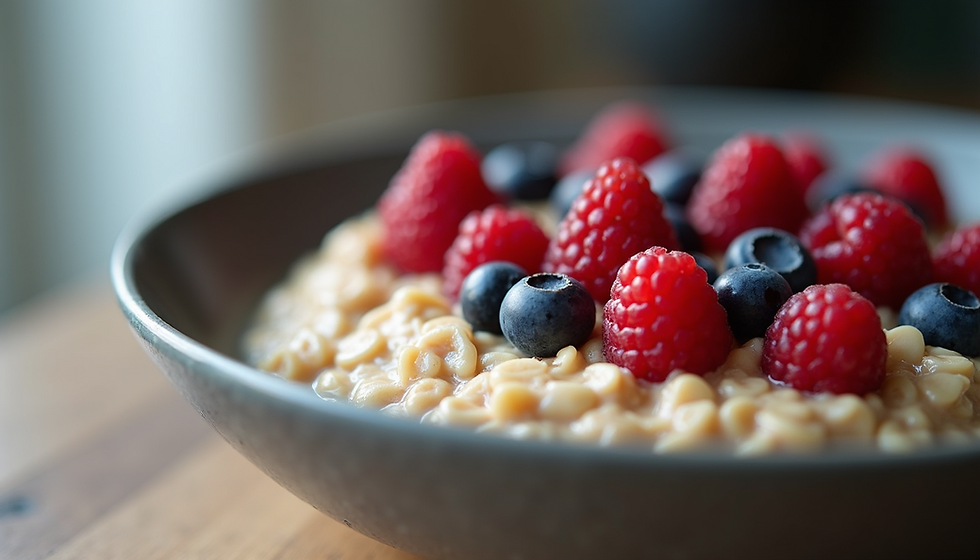
Berries: Blueberries, strawberries, and raspberries are excellent choices. For instance, a cup of blueberries contains about 14 grams of natural sugars and provides essential vitamins.
Dark Chocolate: Choose chocolate with at least 70% cocoa for the best health benefits; it can reduce inflammation and improve heart health when consumed in moderation.
Green Tea: Rich in antioxidants, green tea can be enjoyed either warm or cold, making it a versatile beverage choice.
Adding these foods to your meals can improve your health and enhance overall wellness.
Don’t Forget About Probiotics
Probiotics are beneficial bacteria that support gut health, an essential aspect of overall well-being. A healthy gut can influence digestion, immune function, and even mental health.
Include probiotic-rich foods in your diet, such as yogurt, kefir, sauerkraut, and kombucha. For example, a single cup of yogurt can contain anywhere from 100 million to 10 billion colony-forming units (CFUs) of probiotics, which can help maintain a balanced gut microbiome.
A Healthier You Awaits
Improving your health through nutrition is a rewarding journey filled with knowledge, planning, and commitment. By understanding your nutritional needs, embracing a balanced diet, staying hydrated, and making mindful food choices, you can discover new paths to a healthier lifestyle.
By implementing these practical nutrition tips, you can foster significant changes in your health and well-being. It's important to recognize that it's not simply about eating; it’s about cultivating a sustainable, enjoyable relationship with food. Here's to a healthier you!



Comments