

Unlocking the Hidden Potential of Your Vegetables for Optimal Health and Flavor

In today’s fast-paced world, healthy eating can feel overwhelming. Yet, the importance of including vibrant vegetables in our meals remains constant. These nutrient-rich foods not only provide essential vitamins and minerals but also offer numerous health benefits. Surprisingly, many people overlook the full potential of these greens. This post will showcase innovative ways to maximize both the health benefits and flavors of your vegetables.
Understanding Nutritional Value
Vegetables are powerhouses of essential nutrients. They are rich in vitamins A, C, and K, as well as fiber and antioxidants. However, how you prepare them can significantly influence the health benefits you receive. For example, steamed broccoli retains 70% more of its cancer-fighting compounds compared to boiling, which can leach out beneficial nutrients.
Incorporating a variety of vegetables ensures you receive a wide array of nutrients. For example, orange and yellow vegetables like carrots and sweet potatoes are high in beta-carotene, while dark leafy greens like spinach deliver impressive amounts of iron. A balanced plate that includes these colorful vegetables can greatly enhance your overall health.
Creative Cooking Techniques
Maximize the potential of your vegetables by experimenting with various cooking methods. Different techniques can enhance flavors and textures, making your meals more enjoyable.
Roasting: This method caramelizes the natural sugars in vegetables, elevating their sweetness. Carrots and Brussels sprouts can develop an incredible depth of flavor when roasted. Toss them in olive oil, sprinkle with salt, and roast at 425°F until golden brown—about 20 to 25 minutes for perfect results.
Grilling: Grilling adds a smoky flavor while keeping vegetables crispy. For instance, asparagus and corn become delightfully charred when grilled. Just brush them with olive oil and season lightly with salt for a quick and tasty side dish—ideal for summer barbecues.
Fermenting: This traditional method not only enhances taste but also boosts health benefits. Fermented vegetables like sauerkraut and kimchi can contain up to 1 billion CFUs (colony-forming units) of probiotics per serving, promoting gut health. Try fermenting cucumbers for pickles or radishes for a spicy side dish.
Raw vs. Cooked Vegetables
Balancing raw and cooked vegetables is essential for nutrient retention. Certain nutrients, such as vitamin C, are heat-sensitive and can diminish during cooking. Eating raw veggies in salads ensures you obtain those benefits.
On the flip side, cooking can enhance nutrient absorption. For example, cooking tomatoes increases the availability of lycopene, a powerful antioxidant linked to heart health and cancer prevention. Aim to include both raw and cooked vegetables in your meals to maximize overall nutrient intake.
Embracing Seasonality
Using seasonal vegetables not only boosts flavor but also promotes sustainability. Fresh, local produce contains about 30% more nutrients than out-of-season varieties, as it is harvested at peak ripeness.
Visit your local farmer’s market to discover what’s in season. Besides common staples, consider adding unique options like kohlrabi or Swiss chard to your diet. Seasonal produce keeps your cooking fresh and exciting, allowing you to explore new flavors throughout the year.
Enhancing Flavor with Herbs and Spices
Vegetables can sometimes taste bland without the right seasonings. Fresh herbs like cilantro, parsley, and basil can elevate a simple vegetable dish into something extraordinary.
Try adding spices for a burst of flavor—curry powder can give steamed cauliflower an exotic twist, while smoked paprika adds depth to grilled peppers. Create your own vinaigrettes with different herb blends to dress salads, making every meal an adventure for your taste buds.
Creative Vegetable-Based Dishes
If you want to pack more vegetables into your meals, consider these creative ideas that are both delicious and easy to prepare:
Zoodles: Spiralized zucchini can be a fantastic gluten-free alternative to pasta. Toss them with your favorite sauce for a satisfying meal.
Cauliflower Rice: Simply pulse cauliflower florets in a food processor to create a low-carb grain substitute. This can be a great base for stir-fries or grain bowls.
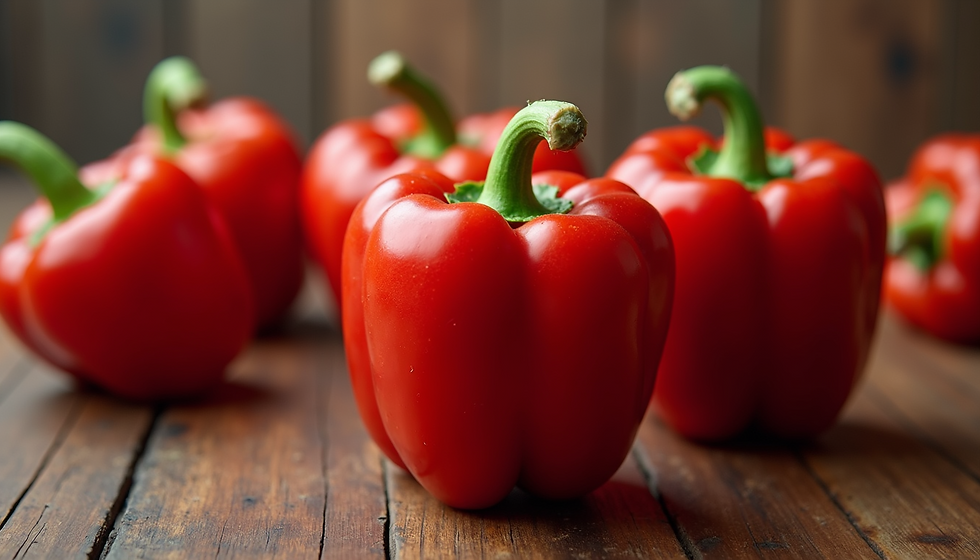
Stuffed Peppers: Fill colorful bell peppers with a mix of quinoa, beans, and spices for a nutritious and eye-catching dish that’s perfect for meal prep.
These dishes not only provide nutrition but also introduce variety to your cooking, appealing to diverse dietary preferences.
Storage Tips for Maximum Freshness
Proper storage is key to maximizing the life and health benefits of your vegetables. Many nutrients degrade if not stored correctly.
Refrigerate: Most vegetables should be kept in the fridge; use perforated plastic bags to allow moisture to escape, keeping them crisp and fresh.
Keep Whole: Avoid cutting vegetables until ready to eat; this preserves nutrients and freshness.
Flash Freeze: For longer storage, blanch and freeze vegetables. This method retains flavor, color, and nutrients for months, allowing you to enjoy seasonal veggies all year round.
Final Thoughts on Harnessing Vegetable Potential
Unlocking the hidden potential of your vegetables can completely enhance your cooking routine and health. By exploring various techniques, embracing seasonal produce, and getting creative in the kitchen, you ensure both optimal health and delicious flavors in every meal.
As you take your culinary journey, remember that the possibilities are endless. Don’t hesitate to experiment, taste, and discover what suits your palate best. Embrace the vibrant world of vegetables, and enjoy the rewards of a healthier, more flavorful life.
Every vegetable holds a unique potential waiting to be unlocked with your creativity and commitment!
Comments