

Restoring Energy and Passion: A Professional Guide to Overcoming Burnout Through Personalized Support

Updated: Aug 2, 2025

Burnout is more than just feeling tired; it’s a profound state of emotional, physical, and mental exhaustion caused by prolonged stress. This condition can significantly impair your ability to function in daily life. Luckily, recovery is not only possible but achievable. By seeking personalized support, you can reignite your passion for life and restore your energy. This guide will provide you with effective strategies to overcome burnout.
Understanding Burnout
Burnout can show itself in various ways, such as chronic fatigue, cynicism towards your job, and a reduced sense of accomplishment. Recognizing these symptoms is critical for starting your recovery. Many people report feelings of isolation, emotional numbness, and a lacking creative spark. In fact, studies show that 78% of individuals suffering from burnout feel emotionally drained.
Acknowledge your unique experiences with burnout. It’s common and taking the step to seek help is brave. You don’t have to deal with this alone.
Personalized Support: Finding the Right Fit
Recovering from burnout rarely follows a one-size-fits-all approach. Personalized support can dramatically boost your chances of success. This support could include individual therapy, group sessions, or flexible coaching programs.
Consider what type of support feels right for you. For some, therapy may help clarify your thoughts, while others might find comfort in connecting with peers through support groups. In one study, participants who engaged in tailored support reported a 35% increase in satisfaction with their recovery journey.
Reassessing Your Priorities
Gaining back your energy requires reevaluating your priorities. When was the last time you participated in activities that genuinely brought you happiness? Take time to reflect on your passions.
Create a list of the activities you love. Whether it’s painting, hiking, or reading, setting aside time for these activities can restore balance and excitement. This reassessment is not just an exercise but a vital step towards emerging from burnout.
Practical Tools for Recovery
Integrating practical tools into your daily routine can play a key role in your recovery. Here are some effective strategies:
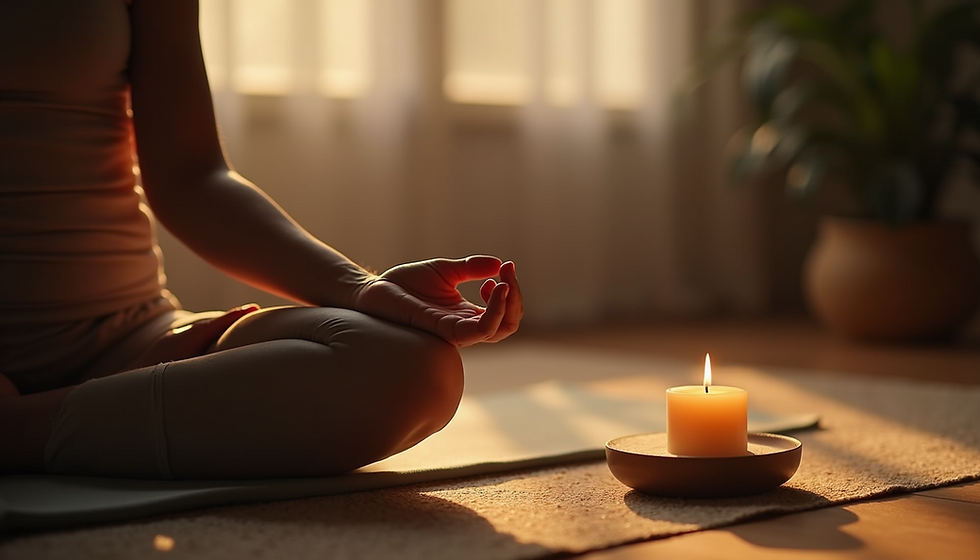
Mindfulness and Meditation: Focusing your mind through mindfulness techniques can help lower stress and improve well-being. For instance, simple breathing exercises can be done anywhere and require no special equipment. Research indicates that regular mindfulness practice can reduce anxiety by up to 30%.
Physical Activity: Maintaining a regular exercise routine is also beneficial. Activities like jogging, swimming, or even dancing not only strengthen your body but also elevate your mood. A survey found that 45% of people who exercised reported a significant decrease in stress levels.
Healthy Nutrition: Eating well impacts your mood and energy. Consulting a nutritionist can help you discover the foods that best support your unique needs. Research highlights that a balanced diet can enhance your energy levels by up to 25%.
Sleep Hygiene: Prioritizing good sleep is essential for recovery. Establish a calming bedtime routine to improve your sleep quality. Aim for 7-9 hours of sleep each night to function at your best.
Building a Support Network
Your journey through burnout should not be a solitary one. Having a robust support network is crucial for recovery. This may include trusted friends, family, or mentors who provide encouragement along the way.
Engage regularly with supportive individuals who can empathize with your journey. Studies show that people with emotional support are 50% more likely to recover from burnout than those without it. A simple chat can make a huge difference in your mental well-being.
Setting Boundaries
As you focus on recovery, learning to set boundaries is vital. Identify what you can handle, and communicate those limits to others. Knowing when to say no—whether in personal or professional contexts—protects your energy.
Recognizing your limits not only empowers you but also allows you to engage with activities that truly matter. By establishing boundaries, you prioritize self-care and maintain a healthier work-life balance, minimizing the risk of future burnout.
Embracing Passion Projects
Another effective way to reignite your passion for life is diving into projects that excite you. Whether it’s learning a new skill, starting a blog, or volunteering, these passion projects can spark joy and creativity.
Choose a project that resonates with you and dedicate regular time to it. These activities provide a refreshing outlet for self-expression and can counterbalance the stressors contributing to your burnout.
Reflecting and Adjusting
Recovery from burnout is rarely a straight path. It entails stops and adjustments along the way. Take time to regularly reflect on your journey and evaluate the effectiveness of your strategies.
Keeping a journal is an excellent tool for this process. Document your feelings and experiences, which can help you identify patterns and gain insights into what works best for you.
Reclaiming Your Well-Being
Recovering from burnout is a personal and often challenging journey, but it is achievable with the right support. By embracing personalized guidance, reassessing your priorities, and incorporating practical tools, you can restore your energy and passion for life.
Remember, reaching out for help is not a sign of weakness; it’s a courageous step towards reclaiming your well-being. The path to recovery may take time, but with perseverance and the right mindset, you can navigate your journey back to a fulfilling and vibrant life.


Comments