

Navigating the Unknown: Effective Strategies to Overcome Mental and Physical Trauma

Updated: Aug 2, 2025
Trauma can deeply impact our lives, affecting both our mental and physical health. In a society where pain is often minimized, it is vital to recognize that healing is a process, not just an endpoint. This post explores actionable strategies to help you navigate your journey of recovery and emerge stronger from both mental and physical trauma.
Understanding Trauma
Trauma can manifest in various ways. It may stem from a single catastrophic event, such as a serious car accident, or from a series of distressing experiences like emotional or physical abuse. Mental trauma can lead to anxiety, depression, or post-traumatic stress disorder (PTSD), while physical trauma may result in chronic pain or illness. Research indicates that approximately 70% of adults in the U.S. have experienced some form of trauma, highlighting how widespread this issue is.
Recognizing your trauma is the first step toward healing. By identifying and understanding what you've gone through, you can start to process your emotions and build resilience. For example, if you experienced loss, acknowledging your grief can lead you to seek appropriate support or professional help.
Creating a Safe Space
The Importance of Environment
A safe environment plays a vital role in recovery. This space can be both physical and emotional. Consider transforming a room in your home into a comforting sanctuary. This could involve adding soft lighting, calming colors, and cozy furnishings. Being surrounded by people who support you—friends, family, or therapists—can also empower you to share your feelings.
When your environment feels secure, it fosters open dialogues about your experiences. This can help demystify your fears and lessen their power over you.

Mindfulness and Meditation
Techniques for Grounding
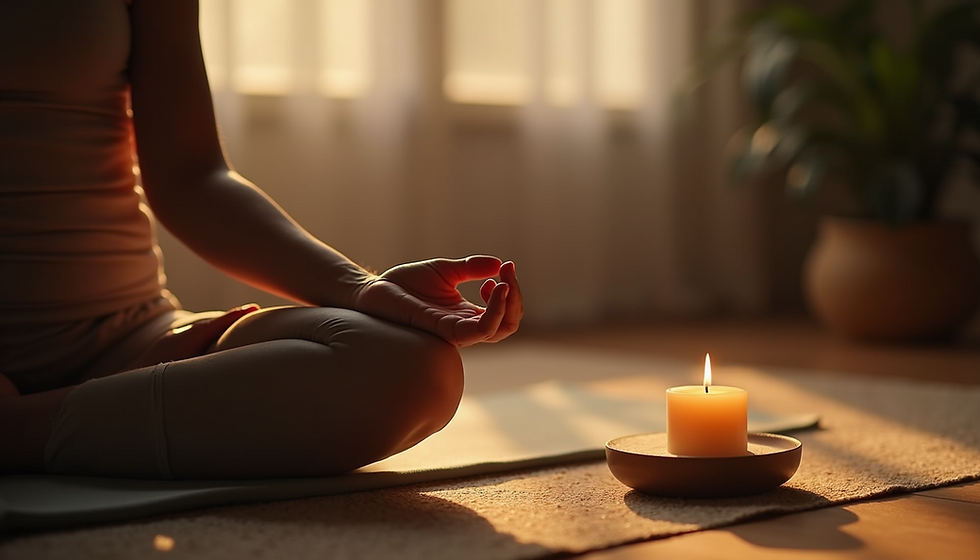
Mindfulness and meditation can be transformative tools for healing trauma. These practices help you stay present and can significantly reduce anxiety. For instance, using deep breathing techniques can activate the body's relaxation response. Research shows that individuals who practice mindfulness regularly experience a 30% reduction in anxiety symptoms.
Consider setting aside just 10 minutes a day for mindfulness exercises. You might try guided imagery or progressive muscle relaxation to ease tension and promote self-awareness.
Professional Help
Seeking Therapy
Turning to a professional can be an essential step in overcoming trauma. Therapists and counselors can offer tailored strategies that address your unique challenges. For example, studies show that Cognitive Behavioral Therapy (CBT) is effective for around 60% of those who seek it for trauma-related issues by helping individuals shift negative thought patterns.
Working with a therapist can not only provide insights but also offer new perspectives, allowing you to take control of your narrative.
Physical Activity
The Healing Power of Movement
Engaging in regular physical activity can greatly enhance mental well-being. Exercise releases endorphins, the body's natural mood lifters. A study published in the Journal of Clinical Psychiatry found that 30 minutes of moderate exercise can decrease depressive symptoms in nearly 50% of participants.
Find an activity that resonates with you. Whether it's hiking, dancing, or practicing yoga, aim to incorporate movement into your daily routine. Set small, realistic goals, such as walking for 20 minutes three times a week. This consistency can contribute to your emotional health as you work through trauma.

Expressive Arts
Discovering Healing Through Creativity
Creative outlets can provide a unique way to express complex emotions. Art therapy, which uses creative processes to improve mental health, has shown promising results. For instance, studies have indicated that art therapy can reduce trauma symptoms in more than 70% of individuals seeking treatment.
Engage in activities that resonate with you, such as painting, journaling, or playing an instrument. These creative expressions can help you process trauma and provide a sense of accomplishment.
Building a Support Network
The Power of Connection
Isolation can intensify the effects of trauma. Sharing your experience with others who understand can provide comfort and validation. Research shows that individuals who connect with supportive communities experience improved mental health outcomes. You might consider joining local support groups or online forums where people share similar journeys.
Building relationships with empathetic individuals can be a crucial component of your recovery. They can remind you that you are not alone in your struggles.
Establishing Healthy Routines
Crafting Daily Structures
Creating a daily routine can introduce much-needed stability amid chaos. Consistent sleep patterns, balanced meals, and structured self-care practices create a supportive framework for healing. For example, setting a bedtime and waking up at the same time daily can improve your sleep quality by up to 20%.
Additionally, aim to include self-care activities in your routine, such as reading, meditating, or cooking healthy meals. Setting small, achievable goals can help you experience progress during your recovery.

Self-Compassion and Patience
Embracing the Journey
Healing from trauma is often a nonlinear process. Setbacks are normal. Cultivating self-compassion can make this journey more manageable. Allow yourself to feel emotions without judgment—understand that experiencing moments of overwhelm is part of the healing process.
Be patient with yourself. Celebrate small victories, such as engaging in self-care or reaching out for help. Progress, no matter how gradual, is still progress.
Embracing the Path Ahead
Overcoming mental and physical trauma is undoubtedly challenging, yet it is achievable with the right strategies. Utilizing tools like mindfulness, seeking professional assistance, maintaining physical activity, and establishing supportive networks can guide you on your journey to healing.
While the road may be winding, the destination—marked by resilience, renewed purpose, and hope—is worth the effort. As you navigate the unknown, embrace the journey with courage and the promise of brighter tomorrows ahead.


Comments