

Navigating the Shadows: Uncovering Effective Strategies for Anxiety Management

Updated: Aug 2, 2025
Anxiety can feel like an unwelcome companion, unexpectedly appearing and disrupting our daily lives. The sensation can be overwhelming, leaving people drained and uncertain about how to move forward. The good news is that there are effective strategies to manage anxiety, helping individuals reclaim a sense of control and calm.
In this post, we’ll explore practical techniques to combat anxiety. From mindfulness practices to breathing exercises, each method is designed to facilitate understanding and fit seamlessly into daily routines.
Understanding Anxiety
Understanding anxiety is essential before exploring management techniques. It is a natural response to stress and part of our body's fight-or-flight mechanism. However, when anxiety persists or is out of proportion to the situation, it can indicate a disorder. For instance, approximately 31.1% of adults in the U.S. experience an anxiety disorder at some point in their lives, facing symptoms like constant worry, racing thoughts, or physical effects such as an increased heart rate.
Recognizing the signs of anxiety is a necessary first step. By identifying triggers and symptoms, individuals can take proactive measures to minimize anxiety's impact.
Mindfulness Practices
What is Mindfulness?
Mindfulness involves being fully present in the moment and engaging with your surroundings. It allows individuals to observe their thoughts and feelings without judgment, reducing the pressure anxiety places on them.
How to Practice Mindfulness
You can incorporate mindfulness into your daily life through various methods:
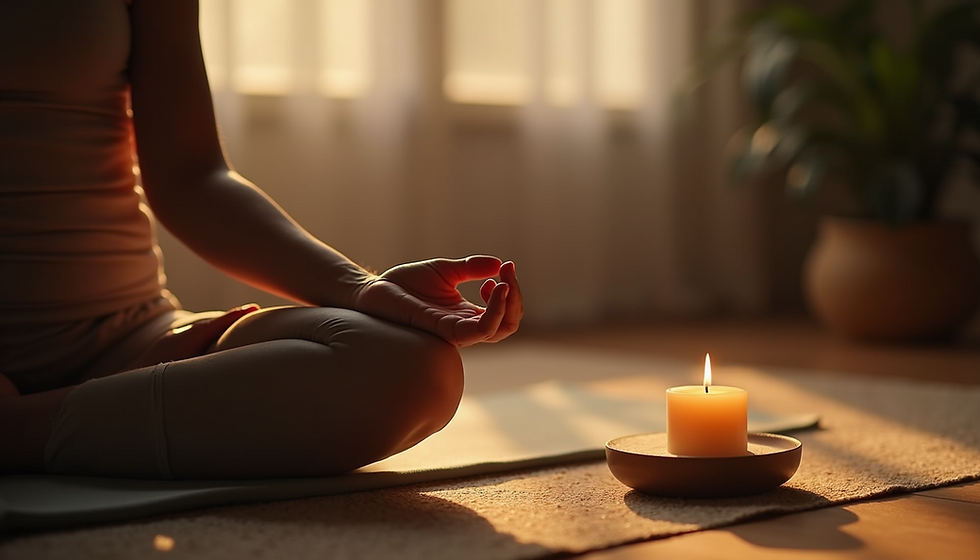
Meditation: Dedicate a few minutes each day to sit in silence, focus on your breath, and let thoughts come and go without engaging with them. Studies suggest that just 10-20 minutes of meditation daily can improve focus and reduce anxiety.
Body Scan: While lying down or sitting comfortably, cycle through different parts of your body, noticing any sensations or tension. This practice can ground you and help release physical stress.
Mindful Walking: During a walk, concentrate solely on the sights, sounds, and smells around you. This can foster engagement with the present moment and enhance your mood.

Benefits of Mindfulness
Research indicates that regular mindfulness practice can lower anxiety symptoms by up to 58% in some individuals. It encourages a healthier relationship with thoughts, decreasing the tendency to spiral into unproductive worry.
Breathing Techniques
The Power of Breath
Conscious breathing is a powerful tool for managing anxiety. Many physical manifestations of anxiety can be alleviated by regulating breath.
Simple Breathing Exercises
Deep Breathing: Inhale deeply through your nose for a count of four, hold for four, and exhale slowly through your mouth for six counts. Repeat this several times to calm your body.
4-7-8 Technique: Inhale for four counts, hold for seven counts, and exhale for eight counts. This technique calms the nervous system and can be done anywhere, anytime.
Diaphragmatic Breathing: Place one hand on your chest and the other on your abdomen. Focus on breathing deeply, ensuring that your abdomen rises and falls instead of your chest.

Impact of Breathing Exercises
Practicing these breathing techniques regularly can lead to reduced anxiety levels and better coping skills. Research shows that individuals who practice breathing techniques report a 30% decrease in anxiety during stressful situations.
Physical Activity
Movement as Medicine
Physical activity is vital for mental health. Regular exercise can trigger the release of endorphins, our body's natural mood enhancers.
Types of Physical Activities
Consider integrating the following activities into your weekly routine:
Yoga: This combines physical movement, breath control, and meditation, enhancing both physical and emotional well-being. Practicing yoga just one to two times a week can yield significant mental health benefits.
Walking or Jogging: Regular walking or jogging can help clear your mind and reduce feelings of anxiety. Even short sessions of just 20-30 minutes can elevate mood and clarity.
Group Sports: Joining a local team provides physical benefits and offers a sense of community that can further reduce feelings of isolation linked to anxiety.

Benefits of Regular Exercise
Engaging in consistent physical activity leads to improved mood, decreased stress, and better overall mental wellness. Exercise disrupts anxious thoughts, allowing focus on physical sensations and feelings of accomplishment.
Seeking Professional Help
When to Seek Support
While self-help methods can be effective, sometimes anxiety can become overwhelming. Professional help, such as therapy, is crucial for many individuals. Cognitive-behavioral therapy (CBT) has been shown to be effective in treating anxiety disorders, boasting a success rate of around 60-80% for individuals who commit to treatment.
Available Resources
If anxiety impacts daily functioning, seek mental health support. Various resources, including online therapy platforms and counseling centers, are available. Most communities now have access to telehealth resources, making it easier than ever to find help.
Reflecting on Your Journey
Navigating the shadows of anxiety does not have to be done alone. By understanding anxiety, practicing mindfulness, engaging in breathing exercises, staying active, and seeking professional support, individuals can build a strong toolkit for managing anxiety.
Remember, managing anxiety is an ongoing journey. Each small step taken toward understanding and managing anxiety can lead to greater emotional well-being. Embrace your path, and know that seeking support is both brave and necessary.

Comments