

Unveiling the Secrets Behind the Best Sustainable Recipes for Eco-Friendly Cooking

In a world increasingly aware of environmental challenges, sustainable cooking is more important than ever. This isn’t just about making the right choice for the planet; it’s about enjoying a diverse and exciting culinary adventure. With every eco-friendly recipe, we can contribute to a healthier planet and enrich our dining experiences. Emphasizing seasonal ingredients and minimizing food waste, sustainable cooking combines ethics with taste.
Why Sustainable Cooking Matters
Sustainable cooking focuses on using ingredients that are good for both the Earth and society. By prioritizing local produce, you help cut down on greenhouse gas emissions from transportation, and you contribute positively to local economies. Research indicates that food transport accounts for about 11% of the average meal’s carbon footprint. Choosing food that is grown nearby reduces this impact.
Moreover, recipes that highlight organic ingredients help lower our exposure to harmful pesticides, ensuring we eat healthy meals. According to a 2020 study, organic farming can reduce the pollution of waterways by over 30% compared to conventional methods. By adopting these practices, each meal is a step toward making a difference.
Key Principles of Sustainable Recipes
Understanding the key principles of eco-friendly cooking can help you make better choices in the kitchen. Here’s a closer look at some important aspects:
Seasonality: Using seasonal ingredients not only boosts flavor but also enhances nutrition. For example, tomatoes in summer have more taste than those imported in winter. Seasonal produce can reduce transportation emissions by up to 50%.
Plant-Based Focus: Incorporating plant-based ingredients into meals significantly lowers our reliance on animal farming. In fact, studies show that if all Americans avoided meat and cheese for just one day a week, it would be like taking 7.6 million cars off the road annually.
Minimizing Food Waste: Sourcing recipes that make use of all parts of an ingredient can curb waste. For example, carrot tops can be blended into pesto, and stale bread can be transformed into croutons or breadcrumbs.
Local Sourcing: Buying from local farmers markets promotes fresh ingredients and reduces the carbon footprint tied to food transport.
Organic Ingredients: Opt for organic whenever possible. Organic farms support biodiversity, which can safeguard local ecosystems.
Sustainable Recipe Ideas
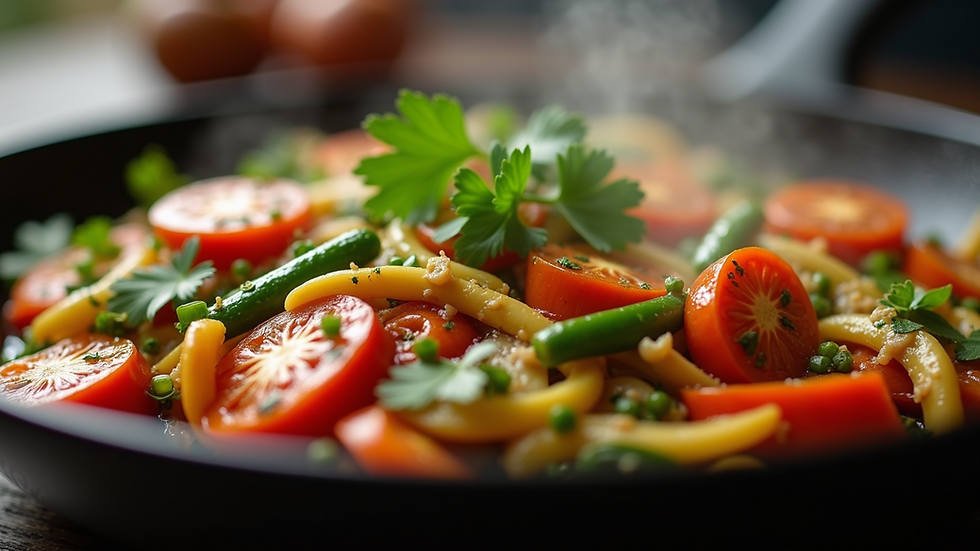
1. Seasonal Vegetable Stir-Fry
This vibrant dish is simple to prepare, highlights fresh vegetables, and is packed with flavor.
Ingredients:
2 cups seasonal vegetables (like bell peppers, carrots, and broccoli)
1 tablespoon olive oil
2 tablespoons low-sodium soy sauce
1 teaspoon fresh ginger, grated
1 garlic clove, minced
Cooked quinoa or brown rice (for serving)
Instructions:
Heat olive oil in a large pan over medium-high heat.
Add garlic and ginger, stirring until fragrant.
Toss in the seasonal vegetables and stir-fry for about 5-7 minutes.
Drizzle with soy sauce and serve over quinoa or brown rice.
2. Zero-Waste Vegetable Broth
Utilize your kitchen scraps by creating a nutritious broth that adds depth to any dish.
Ingredients:
Vegetable scraps (onion peels, carrot tops, celery leaves, etc.)
8 cups of water
2 bay leaves
Salt and pepper to taste
Instructions:
Place the vegetable scraps into a large pot.
Cover with water and bring to a boil.
Reduce heat and let simmer for at least an hour.
Strain and store in the refrigerator or freezer for later use.
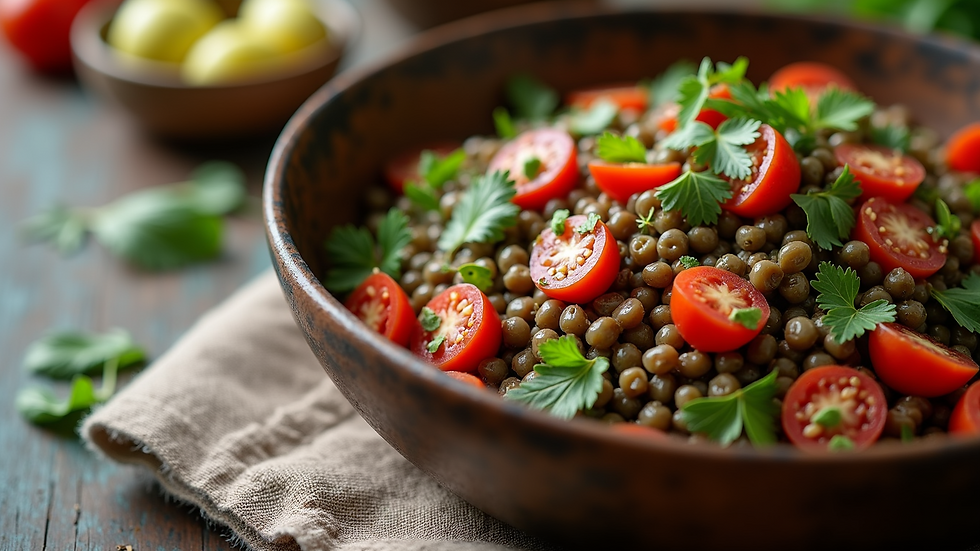
3. Hearty Lentil Salad
Lentils are a fantastic source of plant-based protein and pair beautifully with seasonal vegetables.
Ingredients:
1 cup cooked lentils
1 cup chopped seasonal vegetables (such as cucumbers and tomatoes)
¼ cup feta cheese (optional)
Olive oil, lemon juice, salt, and pepper for dressing
Instructions:
In a large bowl, combine cooked lentils and chopped vegetables.
Drizzle with olive oil and lemon juice, seasoning with salt and pepper.
Toss gently and top with feta if using.
4. Plant-Based Pasta Primavera
This dish showcases fresh vegetables in a pasta that’s easy to prepare and satisfying.
Ingredients:
8 oz whole wheat pasta
2 cups assorted vegetables (like zucchini, asparagus, and bell peppers)
2 tablespoons olive oil
1 teaspoon Italian herbs
Parmesan cheese (optional)
Instructions:
Cook pasta according to package instructions.
Sauté the assorted vegetables in olive oil until tender.
Combine cooked pasta with the sautéed vegetables, stirring in Italian herbs.
Serve with a sprinkle of Parmesan cheese if desired.
Tips for Eco-Friendly Cooking
Plan Your Meals: Crafting a weekly menu helps reduce waste and ensures you utilize all ingredients effectively.
Embrace Freezing: Freeze seasonal fruits and vegetables to enjoy them year-round.
Grow Your Herbs: Consider cultivating your herbs at home. They need little space and can enhance your dishes significantly.
Shop Smart: Use cloth bags and buy in bulk to minimize packaging waste.
Educate Yourself: Stay informed about seasonal produce and sustainable practices to refine your cooking habits.
Cooking for a Sustainable Future
Sustainable cooking is essential for a healthier planet and a better lifestyle. By embracing these recipes and practices, you can enjoy rewarding meals that also honor the Earth. Every meal presents an opportunity to make a difference. Jump into the world of sustainable recipes, and discover how fulfilling it is to cook with awareness, creativity, and care for the environment.


Comments