

Optimal Pre-Workout Nutrition Strategies for Enhanced Performance and Recovery

When it comes to training, whether strength training, cardio, or any other form of physical exercise, what you consume before your workout can significantly impact your performance and recovery. Pre-workout nutrition is crucial for fueling your body, boosting endurance, and minimizing muscle breakdown. The right foods can help you achieve your fitness goals, so let’s explore optimal strategies for pre-workout nutrition.
Understanding the Basics of Pre-Workout Nutrition
Optimizing your pre-workout meals revolves around understanding how different nutrients support energy and muscle recovery. A combination of carbohydrates, proteins, and fats serves various purposes, from providing energy to repairing muscle tissue. Ideally, pre-workout meals should be consumed about 30 to 90 minutes before training to allow for digestion and nutrient absorption.
A balanced mix of macronutrients ensures that your body has enough energy while minimizing potential digestive issues. Research indicates that consuming 1-4 grams of carbohydrates per kilogram of body weight can significantly enhance exercise performance.
The Role of Carbohydrates
Carbohydrates are your body’s primary fuel source during high-intensity workouts. They are essential for maintaining energy levels and stamina. Consuming complex carbohydrates such as whole grains, fruits, and vegetables provides sustained energy release.
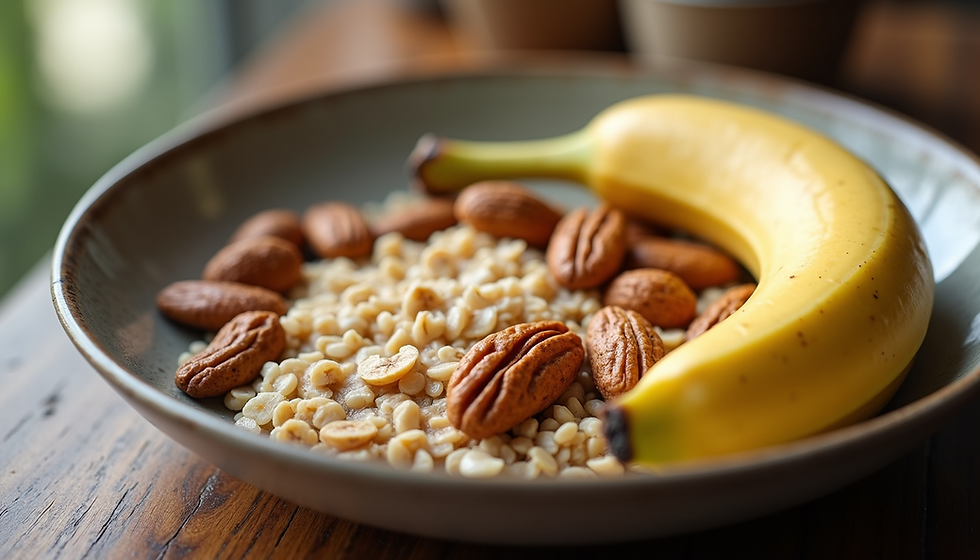
For example, an energy bar containing oats and dried fruit can offer about 30-50 grams of carbs, giving you the stamina needed for intense workouts. Oatmeal topped with a banana packs a one-two punch of energy, providing approximately 40 grams of carbohydrates in one serving. If you prefer something lighter, a piece of whole-grain toast with a tablespoon of jam can suffice, providing around 20 grams of quick energy.
Importance of Protein
While carbohydrates are vital for energy, protein is crucial for muscle repair and growth. Including protein in your pre-workout meal can help prevent muscle breakdown during training. Aim for lean protein sources such as chicken, turkey, Greek yogurt, or a protein shake.
Combining protein with carbohydrates creates a synergistic effect, enhancing performance and aiding recovery. For instance, a smoothie made with one scoop of whey protein powder, a medium banana, and one cup of almond milk delivers around 25 grams of protein and 30 grams of carbohydrates. This blend supports both energy and muscle health.
Healthy Fats: To Include or Not?
Healthy fats can play a role in your pre-workout nutrition, but they should be consumed in moderation. Foods like avocados, nuts, and seeds provide energy and essential nutrients. However, fatty foods take longer to digest, which can lead to discomfort during high-intensity workouts.
For pre-workout meals, consider including small amounts of healthy fats. A tablespoon of almond butter on a slice of whole-grain bread offers beneficial fats without weighing you down, while a handful of almonds provides quick energy alongside essential nutrients, but be cautious not to overdo it.
Timing Your Pre-Workout Meal
The timing of your pre-workout meal can greatly impact your performance. Eating too close to your workout can lead to digestive issues, while waiting too long can leave you without the energy you need. A good rule of thumb is to eat a larger meal about 2-3 hours before training and smaller snacks 30-60 minutes prior.
2-3 Hours Before Training
For meals consumed about two to three hours before a workout, focus on balanced meals containing complex carbohydrates, lean proteins, and healthy fats.
Example meal: Quinoa salad with grilled chicken, mixed vegetables, and a drizzle of olive oil, covering a mix of macronutrients while providing around 45 grams of carbohydrates and 30 grams of protein.
30-60 Minutes Before Training
If you're closer to workout time, opt for lighter options that are easier to digest.
Example snack: A banana with a tablespoon of peanut butter or a small bowl of yogurt with berries, giving you quick energy, about 30 grams of carbohydrates and 10 grams of protein.
Hydration Matters
While discussing pre-workout nutrition, it’s crucial not to neglect hydration. Dehydration can significantly hinder performance and recovery. Studies show that losing just 2% of your body weight can impact performance. Drinking water throughout the day and consuming a glass before your workout can help ensure optimal hydration levels.
You can also include electrolyte-rich beverages or coconut water if you have an extended workout session or train in hot conditions. Staying hydrated can enhance endurance and recovery post-exercise.
Individual Preferences and Experimentation
Every individual is different, and pre-workout nutrition can vary based on personal preferences, dietary restrictions, and workout intensity. It’s essential to experiment with various foods and timings to find what works best for you. Keeping a food diary can help track energy levels and performance, allowing you to adjust your nutrition strategy as needed for optimal results.

Consideration for Specific Diets
If you follow a specific dietary regimen, such as vegan or ketogenic diets, you may need to adjust your pre-workout nutrition accordingly. For instance, a vegan athlete might focus on plant-based protein sources like legumes and tofu, while someone following a ketogenic diet may prioritize higher fat and lower carbohydrate options.
In each case, being mindful of nutrient timing and quality can help you maintain energy levels and facilitate better workout performance. For example, a pre-workout meal for someone on a ketogenic diet could include scrambled eggs with spinach and cheese, providing energy while keeping carbs low.
Final Thoughts
Pre-workout nutrition is vital for anyone looking to maximize training efficiency and recovery. By understanding the roles of carbohydrates, proteins, and healthy fats, along with proper meal timing and hydration, you can create a personalized nutrition plan that supports your fitness goals. Remember to listen to your body, experiment with different foods, and make necessary adjustments for the best outcomes. With the right pre-workout nutrition strategies, you can enhance your performance and set yourself up for success in your training endeavors.

Comments