

Achieving Nutritional Balance: Mastering the Art of Eating Well on Any Budget

Eating well doesn’t have to mean emptying your wallet on fancy foods and trendy supplements. It is possible to nourish your body on a budget. In this guide, we’ll share practical strategies to help you eat healthily without breaking the bank. From meal planning to cooking at home, you'll learn how to make every dollar count.
Understand Your Budget
Getting started on a budget means being aware of your financial situation. Take time to outline your income and expenses so you can identify how much you can spend on groceries each month. For example, if your monthly grocery budget is $300, breaking it down into weekly amounts—like $75—makes planning easier and more manageable.
By knowing what you can afford, you can avoid impulse buys and unnecessary spending. This awareness empowers you to make smart, nutritious choices that align with your budget.
Plan Your Meals
Meal planning is transformative, especially when it comes to saving money. Spend just one hour each week to plan your meals, which can significantly cut down on food waste and last-minute takeout.
Start by listing meals that utilize ingredients you already have. For instance, if you have a pound of ground turkey, plan dishes that can use it throughout the week, such as turkey tacos, spaghetti sauce, and stuffed peppers. Use this plan to create a shopping list focused on what you need, which can help you stick to your budget.
Emphasize Whole Foods
Whole foods, including fruits, vegetables, whole grains, and lean proteins, are not only nutritious but often more affordable than processed alternatives. For example, a 10-pound bag of potatoes can cost around $5 and provide several meals, while a box of processed foods might serve only a couple of meals for a similar price.
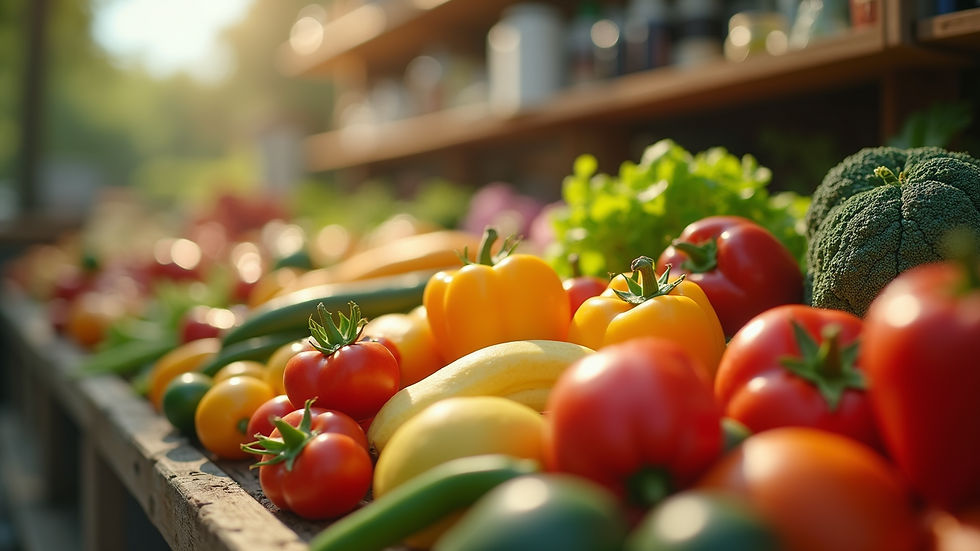
Look for seasonal produce, which can be cheaper and tastier. For example, buying strawberries in June when they are in season can cost as little as $2 per pound compared to $4 in winter months.
Buy in Bulk
Purchasing in bulk can lead to considerable savings, especially on non-perishable items like rice, beans, and oats. Many stores have bulk bins where you can buy just the right amount, often saving up to 50% per unit.
When buying in bulk, proper storage is essential. Invest in airtight containers to keep your grains and legumes fresh. For example, storing a 25-pound sack of rice in a sealed container can ensure it lasts for months.
Cook at Home
One of the best ways to save money while eating healthy is to cook at home. Dining out can cost you up to three times more than preparing a meal yourself. For instance, a homemade pasta dish may cost around $5 to make, while a similar meal at a restaurant could easily run you $15 or more.
Start with simple recipes that use affordable ingredients, like vegetable stir-fry or bean chili. With a bit of practice, cooking at home can be both enjoyable and economical.
Make Use of Leftovers
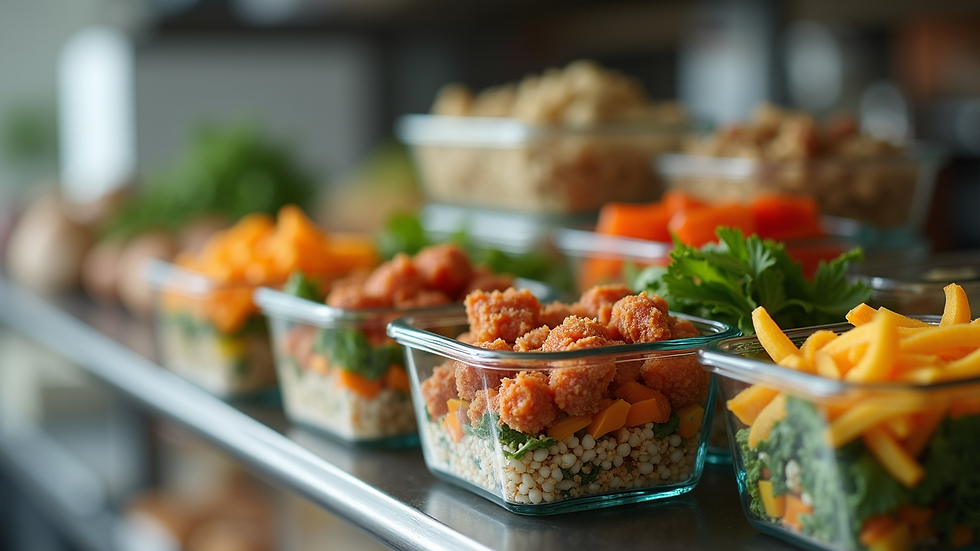
Leftovers are not waste; they are an opportunity for new meals. Instead of throwing away unused food, think creatively. For instance, leftover grilled chicken can be turned into a salad, quesadilla, or soup.
This approach not only reduces food waste but saves you time during the week. Studies show that people who meal prep and use leftovers can cut their food expenses by up to 25%.
Adjust Portion Sizes
Being mindful of portion sizes is a simple way to stretch your groceries further. Research shows that many people underestimate serving sizes. To make sure you're not overdoing it, consider using smaller plates. This trick can create the impression of a fuller meal and help control portions.
For each meal, aim for half your plate to be vegetables, one-quarter proteins, and one-quarter whole grains to maintain a balanced diet. You can also measure out servings with measuring cups until you get the hang of it.
Include Plant-Based Meals
Adding more plant-based meals to your diet is a smart and cost-effective strategy. Foods like lentils, beans, and quinoa are often cheaper and offer plenty of nutrition. For example, a can of black beans can cost around $1 and provide about three servings of protein and fiber.
Try incorporating “Meatless Mondays” into your routine to explore the variety of plant-based recipes available. A filling vegetable curry or a hearty chickpea salad can be both satisfying and economical.
Shop Smart
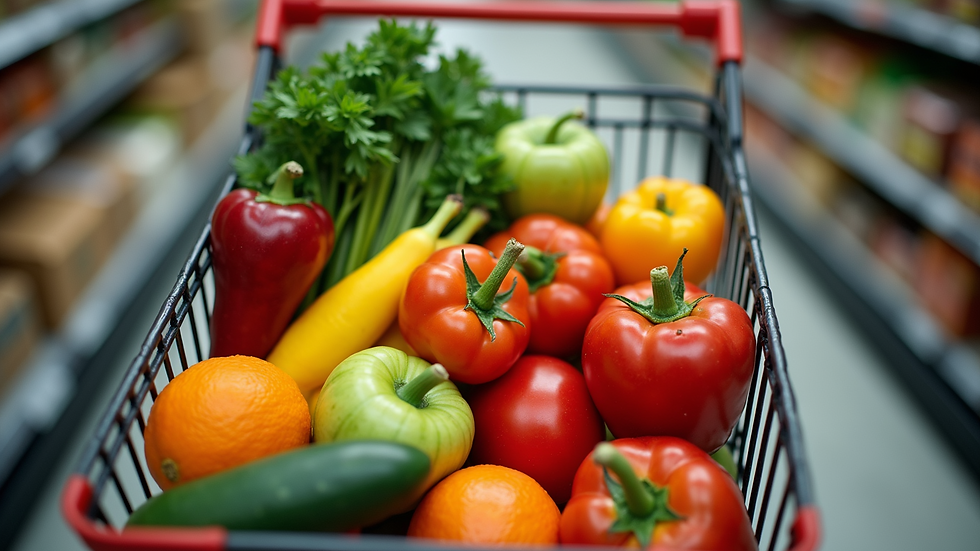
Maximize your grocery shopping by adopting smart techniques. Look for sales and discounts, use coupons, and take advantage of loyalty programs. Farmers’ markets often provide fresh produce at lower prices compared to grocery stores.
Choosing store-brand products can also save you money, as they typically cost 25-30% less than name brands without sacrificing quality.
Stay Hydrated With Water
Staying hydrated is crucial for overall health, and water is the best choice. Not only does it keep you hydrated, but it is also a budget-friendly alternative to sugary drinks.
By carrying a reusable water bottle, you can sip throughout the day. This simple habit can save you money and reduce health risks associated with sugary beverages.
Wrapping It Up
Eating well on a budget is achievable with the right strategies in place. Focus on meal planning, whole foods, and cooking at home to create a balanced diet without overspending. Remember to be resourceful with leftovers and adjust portion sizes to stretch your groceries further.
With a little creativity and preparation, you can enjoy delicious, healthy meals without straining your finances. Embrace the journey of mastering budget-friendly nutrition, and discover the joy of cooking wholesome meals from the comfort of your home. Happy cooking!



Comments